
Choosing the right glass is a crucial step in defining a window’s overall performance. It affects indoor comfort, energy efficiency, and the long-term durability of the installation. For this reason, the selection process always begins with a thorough technical analysis, taking into account environmental conditions and the specific needs of the building.
Astec approaches this process by focusing on the unique requirements of each project, evaluating the most suitable solutions on a case-by-case basis according to the desired performance outcomes.
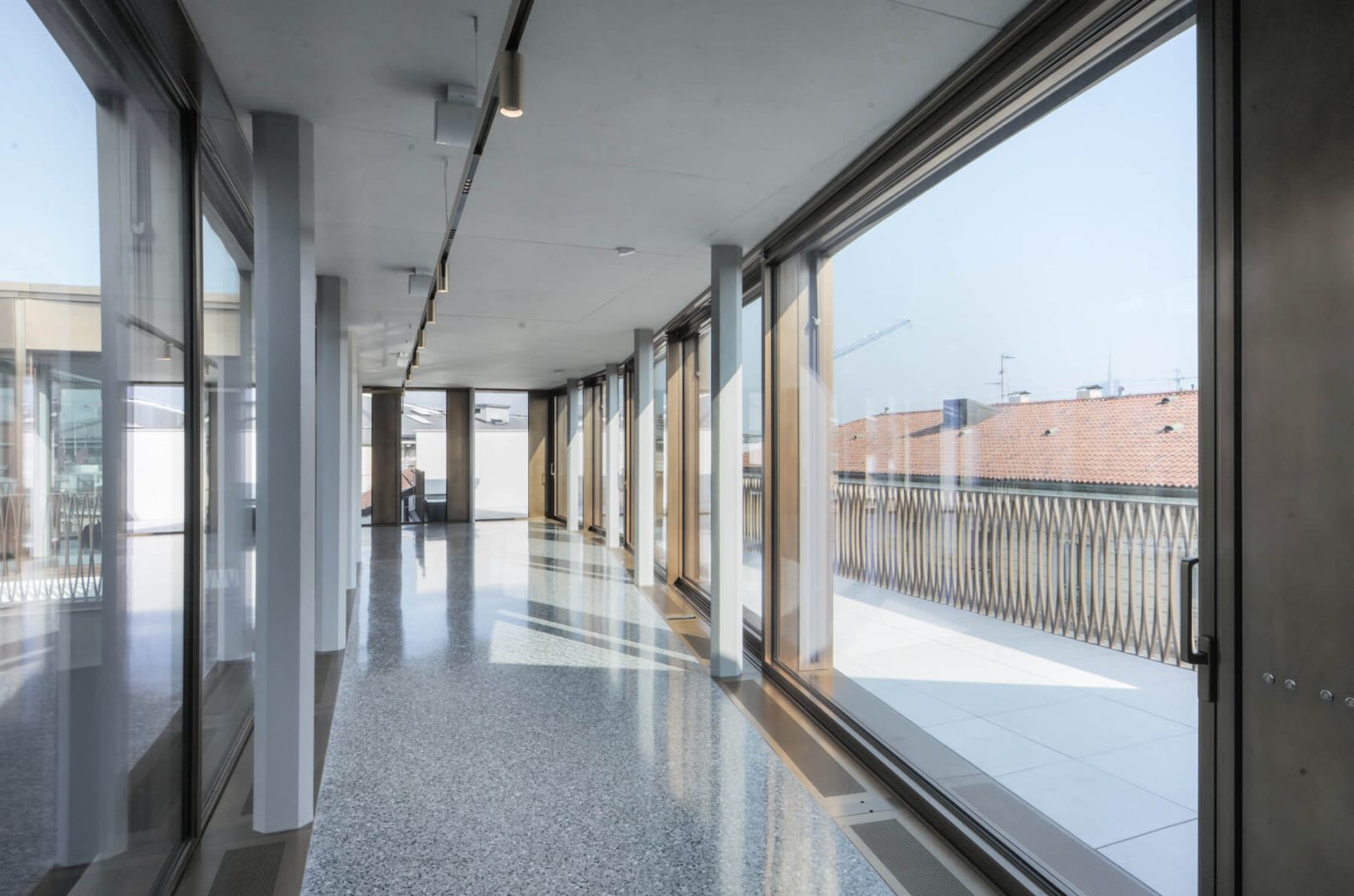
Key Considerations When Choosing Glass
One of the first factors to assess is sun exposure. Highly exposed windows require glass that can effectively manage heat and solar radiation, while in other situations, maximizing natural light without compromising indoor comfort may take priority.
The size of the glass directly impacts both performance and safety. Large surfaces require careful consideration of thickness, glass type, and the stresses they will endure over time.
Thermal and acoustic insulation is another central element. Depending on the building’s location and context, it may be necessary to provide stronger protection against external conditions such as cold and wind, or to limit heat gain in warmer climates. Glass selection varies significantly depending on these requirements.
A Technical Approach as the Starting Point
Every project presents unique conditions. In some cases, enhanced protection from the outside environment is critical, particularly in areas with low temperatures or strong winds. In others, the main focus is controlling heat and solar radiation.
To meet these needs, Astec offers single – and double – glass units with various thicknesses, including tempered and non-tempered options, selected according to anticipated temperatures and stresses. Even glazing beads are tailored to the type of glass chosen, ensuring technical and functional consistency across all window components.
Certifications and Target Markets
Standards and certifications play a decisive role in glass selection, as they establish clear requirements for window installation. For example, the French market requires Cekal certification, which applies exclusively to glass and guarantees its declared quality and performance. In the United States, the NFRC certification evaluates the thermal performance of the combined glass-and-frame system, providing clear parameters on transmittance and energy behavior.
Astec offers NFRC-certified windows and glass as well as Cekal-certified glass, providing solutions that enable informed technical choices without compromising supplier selection, aesthetics, or performance. Choosing certified products allows for an evidence-based evaluation of the glass’s impact on the building’s energy efficiency and indoor comfort.

Practical Advice
When selecting glass, it is important to be cautious of offers with unusually low prices. Often, initial savings come at the expense of material quality, directly affecting the building’s energy performance. Over time, a poorly considered choice can negatively impact both energy consumption and comfort, negating the initial cost advantage.
Glass selection requires a technical and informed approach: Astec supports this process with solutions designed to meet the real needs of each project, offering glass that complies with international certifications and providing guidance focused on quality and long-term performance. Choosing the right glass makes a tangible contribution to comfort, energy efficiency, and the overall value of the building.


